
I opened seven SeaArt pricing articles before I ever opened SeaArt. One told me the free plan gives 150 daily Stamina. Another said 130. SeaArt’s own FAQ said zero. Three numbers, one question, and none of the writers seemed bothered by the gap.
So I stopped reading and started screenshotting. What follows is the SeaArt pricing structure as it actually appears at checkout, priced out per image, cross-checked against the platform’s own documentation, and stress-tested against what paying customers say happens when the renewal hits. Some of it is a genuine bargain. Some of it is a trap with a countdown timer on it.
Before any of the numbers make sense, you need the vocabulary. SeaArt runs on two separate wallets, and confusing them is how people overpay.
The Two Wallets: Stamina and Credits
SeaArt does not have one balance. It has two, and they behave nothing alike.
- Stamina is daily fuel. It refills every day, it never rolls over, and it vanishes at reset. Subscribing raises your daily Stamina. Paid Stamina does not stack on top of the free allowance, so a Beginner subscriber gets the Beginner amount, not Beginner plus free.
- Credits are a wallet balance. You buy them or earn them, they accumulate, and they get spent once Stamina runs dry. They cover image generation, video, model training and AI chat.
The exchange rate between the two is the number that governs this entire article: most models consume 6 Credits to produce one standard image. Higher resolutions, more sampling steps and ControlNet all push that upward. Video is heavier again. Hold onto the figure 6. I use it in every calculation from here on.
With that established, here is what SeaArt charges.
SeaArt AI Pricing at a Glance
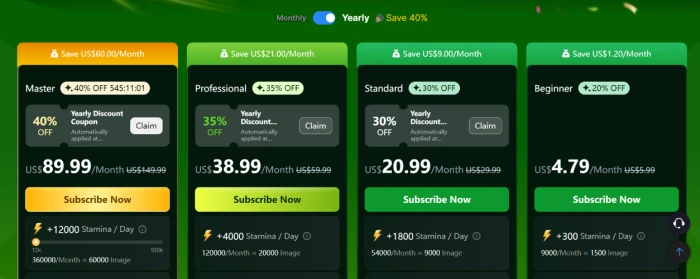
SeaArt sells four SVIP tiers. The banner across the top advertises "Save 40%" on yearly billing, which is accurate only for the most expensive plan. The discount scales with the tier.
| Plan | Monthly | Yearly (per month) | Discount | Billed upfront | Stamina/day | Images/day |
|---|---|---|---|---|---|---|
| Beginner | US$5.99 | US$4.79 | 20% off | US$57.48 | 300 | ~50 |
| Standard | US$29.99 | US$20.99 | 30% off | US$251.88 | 1,800 | ~300 |
| Professional | US$59.99 | US$38.99 | 35% off | US$467.88 | 4,000 | ~667 |
| Master | US$149.99 | US$89.99 | 40% off | US$1,079.88 | 12,000 | ~2,000 |
The annual column is the one to stare at. Yearly billing is not a monthly payment at a lower rate. SeaArt charges the entire year in a single transaction. Master annual is a US$1,079.88 hit on your card the day you subscribe. That mechanic becomes important later, when I get to the refund complaints.
There is also a smaller problem with the table above. Two of those Stamina figures are contradicted by SeaArt itself.
SeaArt’s Pricing Page Disagrees With SeaArt’s FAQ
The pricing cards say Standard gives 1,800 Stamina per day. The Mall FAQ, on the same domain, says Standard gives 700. The gap on Master is worse.
| Plan | Stamina on pricing card | Stamina in Mall FAQ | Gap |
|---|---|---|---|
| Beginner | 300 | 300 | None |
| Standard | 1,800 | 700 | 2.6x |
| Professional | 4,000 | 2,100 | 1.9x |
| Master | 12,000 | 3,500 | 3.4x |
The Super Value Pack bundles (which I cover further down) side with the FAQ, listing Master at 3,500 per day and Standard at 700. So the higher numbers on the pricing cards look like a yearly bonus that nobody has documented, or a display error. I could not confirm which.
The free tier has its own glitch. SeaArt’s FAQ states that free users receive 0 free Stamina daily, allowing for 21 image creations. Zero Stamina producing 21 images is arithmetically impossible. At 6 Credits per image, 21 creations implies roughly 126 Stamina, which is why third-party sites round to 130 or 150. The value is failing to render.
None of this is fatal. It does mean that any cost-per-image calculation has to be run twice.
What One Image Actually Costs
Nobody publishing SeaArt pricing does this math, which is strange, because it is the only question that matters.
Using the pricing card figures
| Plan | Yearly rate | Images/month | Cost per image |
|---|---|---|---|
| Beginner | US$4.79 | 1,500 | US$0.0032 |
| Standard | US$20.99 | 9,000 | US$0.0023 |
| Professional | US$38.99 | 20,000 | US$0.0019 |
| Master | US$89.99 | 60,000 | US$0.0015 |
Using the FAQ figures
| Plan | Monthly rate | Images/month | Cost per image |
|---|---|---|---|
| Beginner | US$5.99 | 1,500 | US$0.0040 |
| Standard | US$29.99 | 3,500 | US$0.0086 |
| Professional | US$59.99 | 10,500 | US$0.0057 |
| Master | US$149.99 | 17,500 | US$0.0086 |
The ranking inverts. On the pricing card numbers, Master is the cheapest image on the platform and the tiers reward you for climbing. On the FAQ numbers, Beginner is the cheapest image, and Standard and Master are the two worst deals SeaArt offers.
Whichever set is correct, both beat Midjourney by an order of magnitude, which I will quantify in the comparison section below. And both beat buying Credits outright, which is the next thing to look at.
Credit Packs: The Top-Up Layer
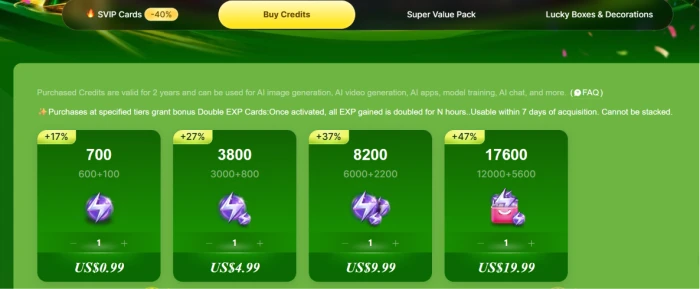
Credits are sold in eight standing tiers plus a rotating limited pack. Each tier bundles a base amount with a bonus, and the bonus grows as you spend more.

| Price | Credits | Base + bonus | Bonus | Cost per image |
|---|---|---|---|---|
| US$0.99 | 700 | 600 + 100 | +17% | US$0.0085 |
| US$4.99 | 3,800 | 3,000 + 800 | +27% | US$0.0079 |
| US$9.99 | 8,200 | 6,000 + 2,200 | +37% | US$0.0073 |
| US$19.99 | 17,600 | 12,000 + 5,600 | +47% | US$0.0068 |
| US$49.99 | 45,000 | 30,000 + 15,000 | +50% | US$0.0067 |
| US$99.99 | 93,000 | 60,000 + 33,000 | +55% | US$0.0065 |
| US$199.99 | 190,800 | 120,000 + 70,800 | +59% | US$0.0063 |
| US$499.99 | 498,000 | 300,000 + 198,000 | +66% | US$0.0060 |
A ninth pack, 1,036,000 Credits at a +76% bonus, sits under a fifteen-day countdown. Timed scarcity is a running theme on this page.
Now compare the last column against the subscription tables. The best Credit pack on the platform, the US$499.99 one, produces images at US$0.0060 each. Master subscription images cost US$0.0015. Credits are four times more expensive per image than a subscription, even at maximum bulk. They are a top-up mechanism and nothing else. Anyone funding a production workflow on Credit packs is paying a heavy premium for the privilege of not committing.
Which raises the obvious question of where the cheapest subscription actually lives. It is not on the subscription tab.
Super Value Packs: Where the Real Prices Hide

Click past "SVIP Cards" and "Buy Credits" and you land on Super Value Pack. These are subscription-plus-Credits bundles with countdown clocks, and the arithmetic here is remarkable.

| Bundle | Price | Reference price | What you get |
|---|---|---|---|
| Master Unlimited | US$359.93 | US$1,276.20 | Master yearly, 3,500/day, Unlimited Creation |
| Master Monthly | US$119.98 | US$316.03 | Master monthly, 3,500/day, Unlimited Creation |
| Professional Yearly | US$239.93 | US$579.40 | Pro yearly, 2,100/day, 17,600 Credits, 20 boxes |
| Standard Yearly | US$113.91 | US$217.27 | Standard yearly, 700/day, 8,200 Credits, 5 gifts |
| Credits Value | US$139.99 | US$299.54 | 93,000 Credits, 20 boxes, 1 ring |
| Credits Lite | US$69.99 | US$153.88 | 45,000 Credits, 10 boxes, 1 ring |
| Credits Starter | US$39.99 | US$71.09 | 17,600 Credits, 20 boxes |
| Collaboration Decoration | US$19.90 | US$175.70 | Cosmetics only |

Finding one: the subscription tab is the worst place to buy a subscription
Standard yearly, bought from the SVIP tab, costs US$251.88. The Standard Yearly Bundle costs US$113.91 and throws in 8,200 Credits. That is 55% less for strictly more. Professional yearly runs US$467.88 on the SVIP tab against US$239.93 as a bundle. Master yearly is US$1,079.88 on the tab and US$359.93 in the Master Unlimited Bundle.
Anyone who subscribed from the pricing cards without checking the adjacent tab paid roughly double.
Finding two: the Credit bundles are worse than the raw packs
This one is buried and counterintuitive.
- Credits Value Bundle: US$139.99 for 93,000 Credits. The plain pack sells the same 93,000 Credits for US$99.99.
- Credits Lite Bundle: US$69.99 for 45,000 Credits. The plain pack: US$49.99.
- Credits Starter Bundle: US$39.99 for 17,600 Credits. The plain pack: US$19.99.
In every case you pay a US$20 to US$40 surcharge over the standing price, and the extra buys Lucky Boxes and cosmetic rings. The "53% OFF" badge is measured against a reference price that includes those cosmetics at values SeaArt assigns. The Collaboration Decoration Bundle claims 89% off a US$175.70 price for what amounts to a profile ring and a frame.
Discount badges on this page describe the reference price, not the value.
The Credit Expiry Rule That Changed on 1 April 2026
Half the internet still says SeaArt Credits never expire. That stopped being true this year, and the cutoff is specific.
| Credit type | Obtained before 1 Apr 2026 | Obtained on or after |
|---|---|---|
| Event Credits (rewards, tasks) | Never expire | 90 days to 2 years, per event rules |
| Purchased Credits (packs, bundles, boxes) | Never expire | Valid 2 years from purchase |
The Buy Credits banner confirms it in one line: purchased Credits are valid for two years. If you stockpiled a large pack in 2025 you are fine forever. If you buy the 498,000-Credit pack today, you have until 2028 to spend roughly 83,000 images worth of Credits, and event Credits could evaporate in ninety days.
The Costs That Do Not Appear on the Pricing Card
- Tax is excluded. Every listed price is pre-tax, and SeaArt states that displayed prices are estimates that move with exchange rates. The number on your statement will not match the number on the card.
- Video eats Credits. A single clip runs several times the cost of a still image depending on length and model.
- LoRA training is metered. Available on all tiers, deducted in Credits, priced by training complexity and duration. No flat figure is published.
- "Unlimited Creation" has a clock. It appears inside the two Master bundles, both of which sit under a three-day countdown, and it applies to selected models rather than the whole library.
- Resolution multiplies everything. The 6-Credit baseline assumes standard resolution and standard steps. Upscaling and ControlNet break that assumption.
- Lucky Boxes are gacha. They appear in almost every bundle and carry an assigned cash value in the reference price.
None of that is unusual for the category. What follows is.
What Happens When the Renewal Hits
I went to Trustpilot expecting the usual mix. The billing complaints were more specific than I anticipated, and one of them let me verify a price I had already screenshotted.
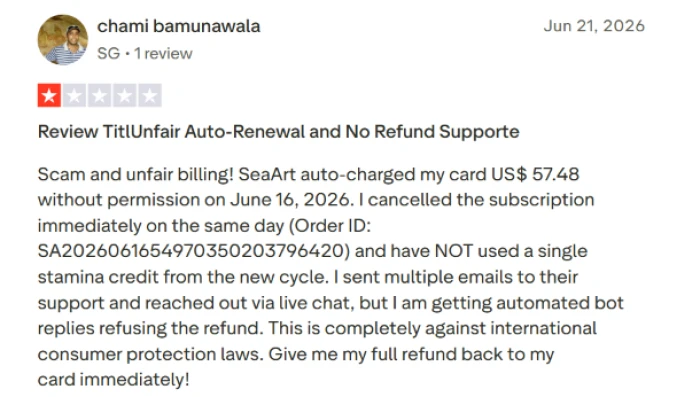
That figure is not random. US$57.48 is exactly 12 x US$4.79, the Beginner annual rate. The reviewer was auto-renewed onto a full year of Beginner, billed upfront, and cancelled the same day without spending a single Stamina. Refund refused.
A separate report circulating elsewhere describes a US$251.88 charge. That is exactly 12 x US$20.99, the Standard annual rate. Two independent complaints, two exact matches against the yearly cards. The upfront annual billing is not a rumour.
SeaArt’s own FAQ is unusually candid about the mechanism. The three-day trial converts to a paid charge, and the platform warns that regional differences and network latency can process that charge hours early, recommending you cancel at least one day in advance. If the charge succeeds, SeaArt states it will not issue a refund.
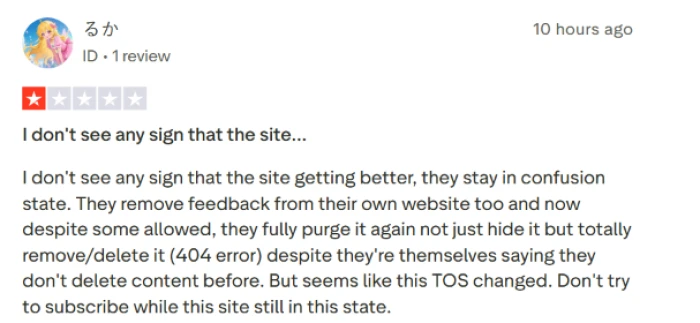
The second review points at something harder to price: content and feedback being purged, 404 errors on previously live pages, and terms of service moving underneath users. I cannot verify those claims. I can note that the reviewer’s advice, which is to hold off subscribing until the platform stabilises, costs nothing to follow.
The practical takeaway is small and cheap. Pay monthly for your first month. Confirm your real consumption. Only then consider an annual commitment, and set a calendar reminder two days before any trial ends.
With the risk understood, the plan question becomes answerable.
Which Plan You Should Actually Buy
| You are a | Buy | Because |
|---|---|---|
| Curious beginner | Free | 21 images a day is enough to learn the models |
| Hobbyist, few images a week | Beginner monthly | US$5.99 with no annual exposure |
| Student or Etsy seller | Beginner monthly | 1,500 images a month covers a shop listing calendar |
| Social media creator | Standard Yearly Bundle | US$113.91 with 8,200 Credits attached |
| YouTuber, thumbnails at volume | Standard Yearly Bundle | Concurrency of 3 handles batch work |
| Freelance illustrator | Professional Yearly Bundle | 5 concurrent tasks, priority LoRA queue |
| Game developer, asset batches | Professional Yearly Bundle | US$239.93 including 17,600 Credits |
| Agency or studio | Master Monthly Bundle first | Test at US$119.98 before the US$359.93 annual |
| AI influencer, daily output | Master, then top up | Highest concurrency, cheapest per image |
Notice that four of the nine recommendations point at the Super Value Pack tab rather than the pricing cards. That is not an accident of my sampling. It is what the arithmetic in the bundle section produces.
SeaArt Against Midjourney, Leonardo and Ideogram
SeaArt competes on volume and model breadth. It loses on polish.
| SeaArt | Midjourney | Leonardo AI | |
|---|---|---|---|
| Free tier | 21 images/day, watermarked | None | 150 daily tokens |
| Entry paid | US$5.99/mo | US$10/mo | US$12/mo |
| Mid tier | US$29.99/mo | US$30/mo | US$30/mo |
| Annual saving | 20% to 40% | 20% | Up to 20% |
| Cost per image | US$0.0015 to US$0.0086 | Roughly US$0.03 | Token-metered |
| Video | Yes, Credit-metered | Yes | Yes |
| Community models | 700,000+ | None | Curated library |
| Strongest at | Anime, stylised, volume | Photorealism, aesthetics | Style consistency at scale |
At the mid tier the two platforms cost the same and behave differently. Midjourney sells GPU time; roughly US$0.03 an image on the Standard plan. SeaArt sells daily Stamina at somewhere between US$0.0023 and US$0.0086 an image. On raw throughput per dollar, SeaArt is between four and twenty times cheaper. On a single hero shot that has to look right, Midjourney still wins, and no amount of Stamina closes that gap.
Ideogram belongs in this conversation for one reason. If your image contains readable text, a poster tagline or a product label, Ideogram’s text rendering is better than anything SeaArt or Midjourney produces. It is a specialist purchase, not a replacement.
Flux is frequently listed as a SeaArt competitor. It is a model family, not a subscription platform, so there is no plan to compare. You reach it through SeaArt, Leonardo or others.
Six Ways to Pay Less
- Open the Super Value Pack tab before you touch SVIP Cards. The Standard Yearly Bundle proved 55% cheaper than the identical yearly plan bought from the pricing cards.
- Pay monthly for month one. Annual billing takes the full year in one charge, and SeaArt does not refund a successful charge.
- Never buy Credits below the US$19.99 tier. The bonus curve flattens hard after +47%, but below that you are paying US$0.0085 an image against Master’s US$0.0015.
- Exhaust Stamina before Credits. Stamina dies at reset. Credits sit in the wallet for two years. Spend the perishable currency first.
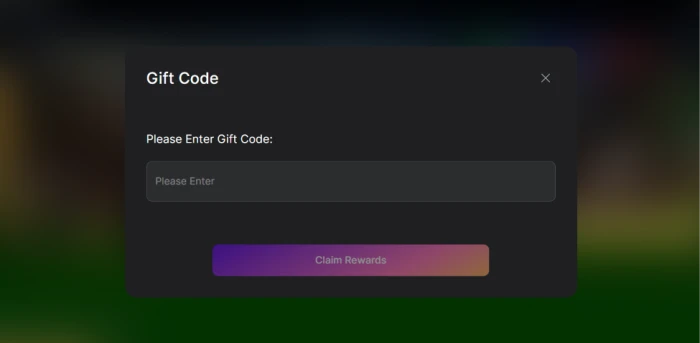
- Redeem gift codes. SeaArt runs a gift code redemption box on the Mall page, and codes circulate through its community events.
- Cancel a day early, not an hour early. SeaArt itself advises this. The trial charge can fire ahead of schedule.
My Verdict
- Best free option: SeaArt itself. Midjourney has no free tier and 21 watermarked images a day is a real evaluation window.
- Best value: the Standard Yearly Bundle at US$113.91. Nothing else on the platform comes close on price per image with Credits attached.
- Best for professionals: the Professional Yearly Bundle at US$239.93, for the concurrency of five and the priority LoRA queue.
- Best for studios: the Master Monthly Bundle at US$119.98 as a trial, then the annual bundle once you have measured a full month of consumption.
- Worst purchase on the platform: any Credit bundle. You pay a US$20 to US$40 premium over the identical raw pack for cosmetics.
One last thing, and it is the most useful sentence I can give you.
SeaArt’s pricing cards and SeaArt’s own FAQ disagree about how much Stamina you get, by a factor of 3.4 on the Master plan. The bundles disagree with the cards. The free tier renders as zero. When two surfaces of the same platform quote different numbers, the screenshot you take at checkout is the only record of what you were promised. Take it before you pay, because customers who did not are the ones filing the Trustpilot reviews above.
Comments
Join the discussion and share your perspective.